
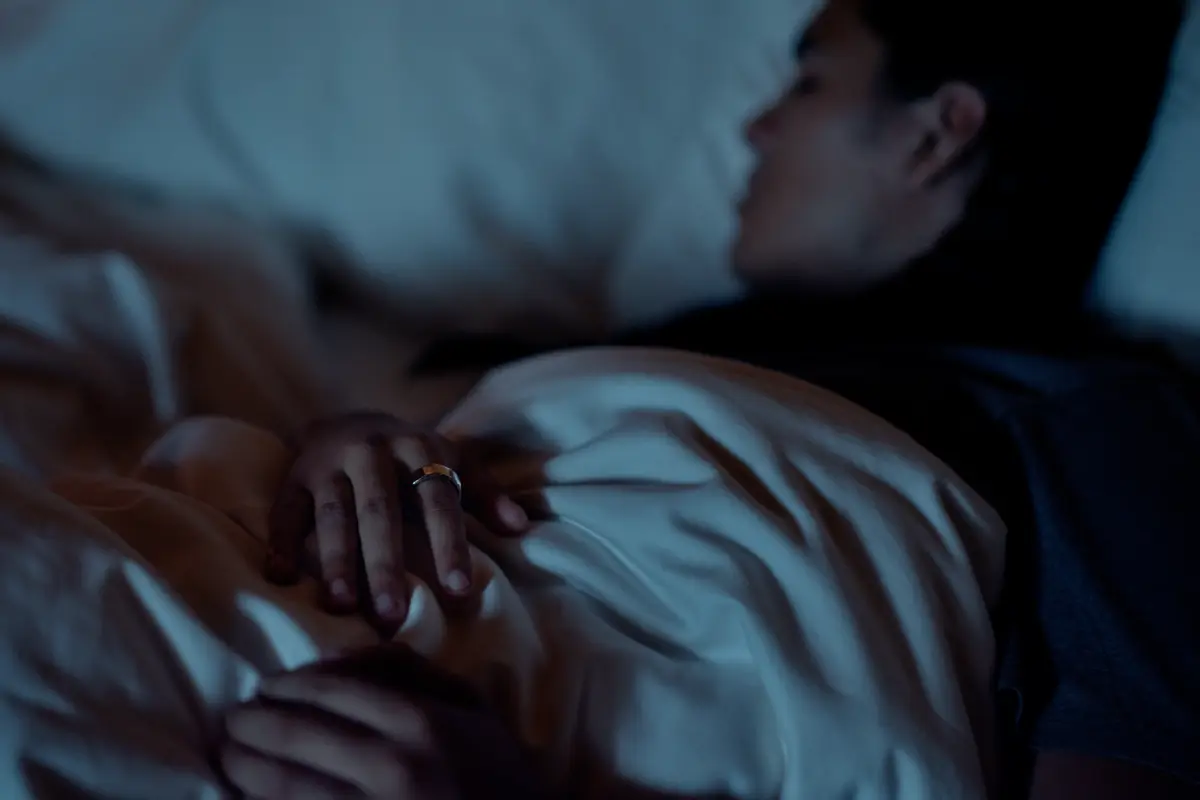
Sleep has become the health commodity of the decade, a biological function that has been reframed as a competitive sport and a performance-enhancing drug for the ambitious. The modern sleep advice industry, bursting with ring trackers, cooling mattress pads, and severe optimisation protocols, operates on the premise that a single, perfect, unbroken slab of eight hours is the standard baseline from which any deviation is a failure. This rigid framing overpromises control in a domain of subtle, unconscious biology, creating a paradoxical epidemic of ‘orthosomnia,’ where the anxious pursuit of perfect sleep actively destroys the very rest it seeks to engineer.
Advertisement
The root of the overselling lies in the misrepresentation of historical sleep patterns. The standard advice presupposes a block of consolidated, unbroken unconsciousness as the human norm. Yet, historical and anthropological evidence suggests that biphasic sleep—a first sleep and a second sleep separated by a quiet, wakeful hour in the middle of the night—was a common, natural rhythm. The anxiety felt by an individual who wakes at 3 a.m. is not necessarily a sign of a broken circadian clock, but a normal physiological interlude. The sleep advice industry, in selling the terror of ‘fragmented sleep,’ medicalises a potentially ancient and restorative quiet period, prompting a rush of cortisol where a gentle meditation might have served better.
The wearables that underpin the modern sleep tracking craze operate with a significant margin of error and a profound bias towards binary judgement. A sensor on a wrist estimating sleep stages via movement and heart rate variability is playing a game of rough statistical guesswork. When this data is then presented to the user as a harsh, red-lit ‘Sleep Score’ that judges them as insufficient, it generates a performance anxiety that is utterly counterproductive. The tragic irony is that the most sleep-deprived cohort is often the one obsessively tracking their sleep, their nervous system jangling with the electro-magnetic anxiety of checking a score to see if they have passed the test of unconsciousness.